

Why Authentic Artisan Craftsmanship Matters Today

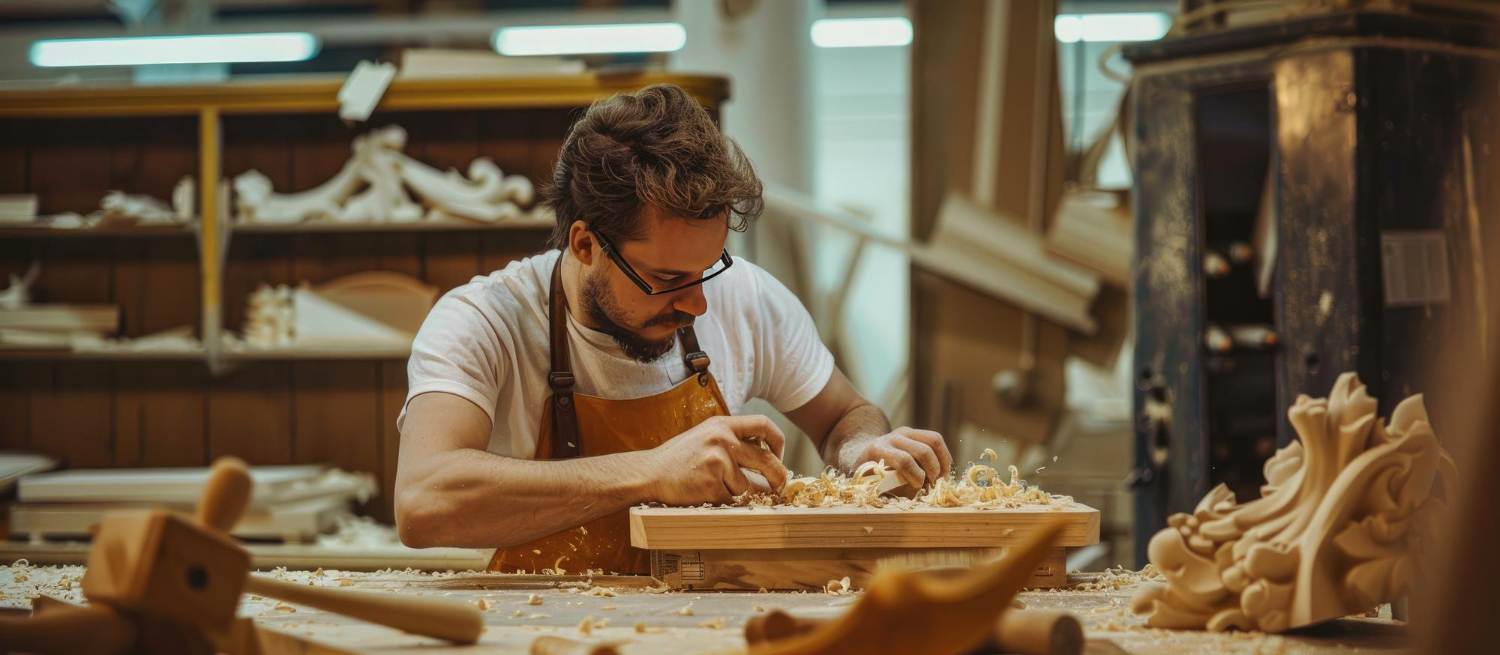
In a world dominated by mass production and fast consumerism, authentic artisan craftsmanship has become more valuable than ever before. Handmade creations represent more than physical products — they embody history, tradition, creativity, and the dedication of skilled artisans who continue to preserve centuries-old techniques. Choosing authentic handcrafted products is not only about aesthetics but also about supporting cultural heritage and meaningful craftsmanship.
Across India, artisans have passed down traditional craft techniques through generations. From weaving handloom textiles in Varanasi to crafting intricate brass décor in Moradabad, these artistic traditions form an important part of India’s cultural identity. Every handcrafted piece reflects patience, expertise, and a deep understanding of materials that cannot be replicated through machines.
One of the most important aspects of authentic craftsmanship is originality. Handmade products carry a unique personality because they are shaped by human skill rather than industrial automation. Small imperfections, hand-finished details, and natural textures become part of the product’s beauty, making every piece feel genuine and personal.
Today’s consumers are increasingly moving away from generic products and looking for meaningful purchases. People want homes that feel warm, expressive, and connected to stories rather than filled with identical factory-made items. Artisan-made décor fulfills this desire by offering individuality, heritage, and emotional value.
Authenticity also builds trust. Customers appreciate knowing where products come from, who created them, and the story behind their craftsmanship. Provenance and transparency have become important in modern commerce, especially in the premium lifestyle and home décor industry. Verified artisan craftsmanship creates confidence while enhancing the emotional connection between buyers and products.
Supporting authentic craftsmanship also directly impacts artisan communities. Many traditional crafts face the risk of disappearing due to industrialization and declining local demand. By choosing artisan-made products, customers help preserve these valuable skills and provide sustainable livelihoods for skilled craftspeople across India.
Handcrafted creations also align with conscious and sustainable living. Mass-produced products often prioritize speed and volume, while artisan craftsmanship values quality, longevity, and careful production methods. Handmade décor pieces are often created using traditional techniques, natural materials, and smaller production processes that reduce waste and encourage responsible consumption.
The luxury market has also started recognizing the value of authentic craftsmanship. Premium buyers increasingly seek products with cultural depth, artistic integrity, and human connection. Handcrafted décor, textiles, and heritage-inspired products naturally fit this growing preference for meaningful luxury.
Another reason artisan craftsmanship matters today is its ability to preserve cultural narratives. Every region in India has unique artistic traditions influenced by local history, materials, and communities. Whether it is block printing from Kutch, weaving from Kerala, or woodwork from Rajasthan, these crafts carry stories that deserve recognition and preservation.
Modern interior spaces benefit immensely from authentic handcrafted products. Handmade décor adds warmth, richness, and texture that elevate interiors beyond standard design trends. Artisan-made pieces become conversation starters while creating homes that feel personal and thoughtfully curated.